

The initiative is being undertaken under the overall guidance of Dr. M.L. Jat, Secretary, Department of Agricultural Research and Education (DARE) & Director General, ICAR. Strategic coordination and institutional convergence for the partnership is being facilitated by Dr. Anil Kumar, Assistant Director General (Coordination), ICAR.
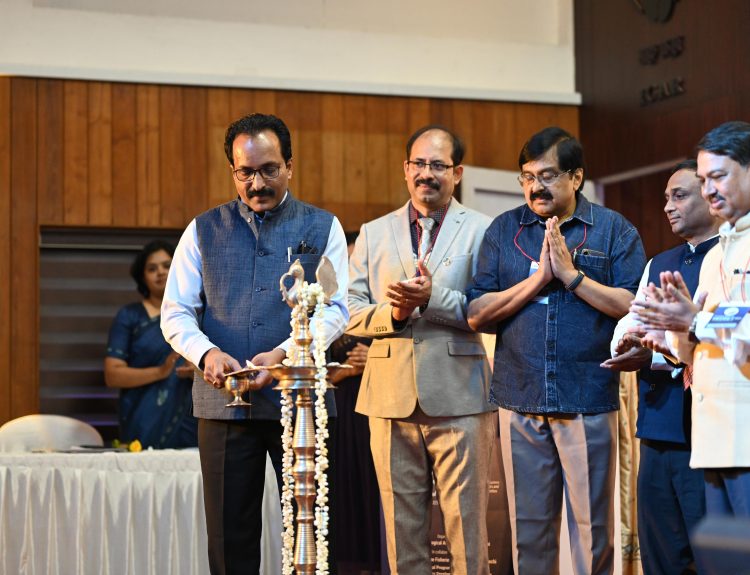
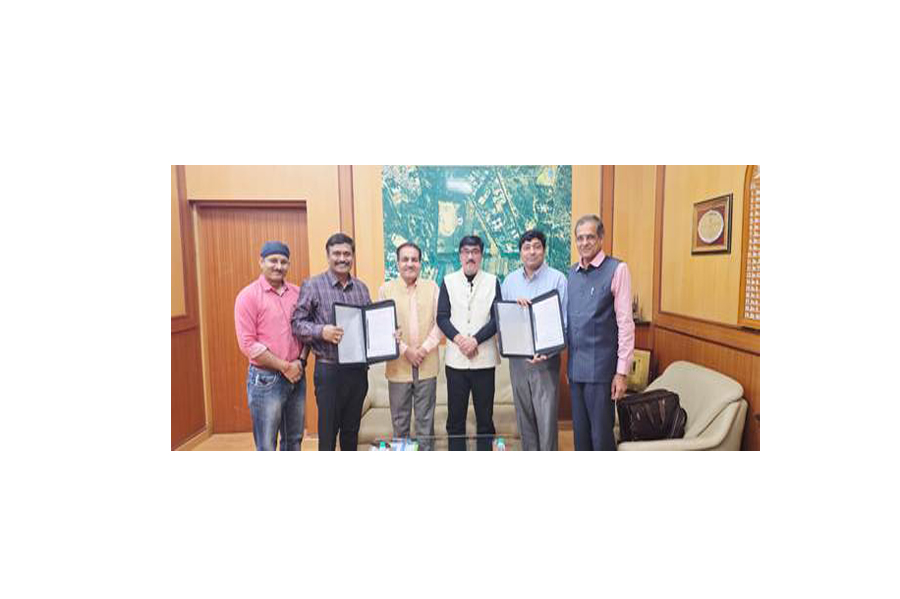
The agreement was formalized in the presence of senior officials from both organizations at ICAR-NAARM, Rajendra Nagar, Hyderabad, marking a significant milestone in public-private partnership for agricultural development and skill enhancement. The MoU documents were formally handed over to each other by Mr. Suman S., Director (Rural Livelihoods), Dr. Reddy’s Foundation, and Dr. Rajbir Singh, Deputy Director General (Agricultural Extension), ICAR, in the presence of Director, ICAR-NAARM Hyderabad, Director, ICAR-ATARI Hyderabad, Director, ICAR-ATARI Bengaluru, and senior technical associates from Dr. Reddy’s Foundation, Hyderabad.
Strategic Framework of Collaboration
Under this MoU, ICAR and Dr. Reddy’s Foundation will collaborate on multiple fronts to create sustainable impact in the agricultural sector through development and delivery of vocational training programs in agriculture and allied sectors. Capacity building of small and marginal farmers will be done using the Lead Farmers Platform (LFP) model of DRF. Joint research initiatives on climate-smart agricultural practices and sustainable farming methods would be scaled by integrating ICAR’s technical expertise with DRF’s community-based extension model. This would strengthen Skill development programs aligned with National Skill Qualification Framework (NSQF) and support youth employability in agriculture and life sciences sectors.
Leveraging Complementary Strengths
ICAR brings nearly ten decades of expertise in agricultural research, extension, knowledge management, capacity building, and policy advocacy. The council will provide technical guidance, curriculum development support, and access to its extensive network of agricultural scientists and researchers across India.
DRF has impacted over 2 million lives through its integrated development programs, with a particular focus on youth, persons with disabilities (PwD), and rural communities. The Foundation’s flagship MITRA program has successfully enabled over 80,000 farmers to adopt improved agricultural practices across multiple states, demonstrating the effectiveness of its farmer-to-farmer extension model.
Expected Outcomes
The collaboration will focus on several key intervention areas:
Vocational Skill Development: Building on DRF’s recent recognition by the National Council for Vocational Education and Training (NCVET) as an Awarding Body (Standard), the partnership will develop and deliver industry-aligned agri-skill programs.
Soil health to One Health transition: The partnership will promote biochar-based and soil biologics-led solutions to improve soil health within a One Health framework, while advancing sustainable crop residue management and carbon incentivization for climate-resilient agri-food systems
Resilience for disaster risk reduction: The collaboration will hand-hold farmers to adopt climate-smart, regenerative agriculture through technology-enabled extension, carbon-incentivized-resource-efficient practices, and locally tailored climate-risk mitigation strategies.
Agricultural Extension Services & Market Linkages: The collaboration will scale up the Lead Farmers Platform to bridge last-mile extension gaps while strengthening small and marginal farmers’ market linkages, digital and financial literacy, and price realization for their produce